Why Consistent Lawn Mowing Service Is Essential to a Healthy Green Lawn
Preserving a healthy lawn requires more than just occasional care. Routine relevant article mowing plays a crucial part in encouraging strong grass development and general lawn health. It promotes thicker grass, helps suppress unwanted weeds, and minimizes pest concerns. However, mowing methods do not all produce the same benefits. Understanding the nuances of effective mowing is necessary for ideal lawn health. What should homeowners take into account to make certain their lawns remain healthy?
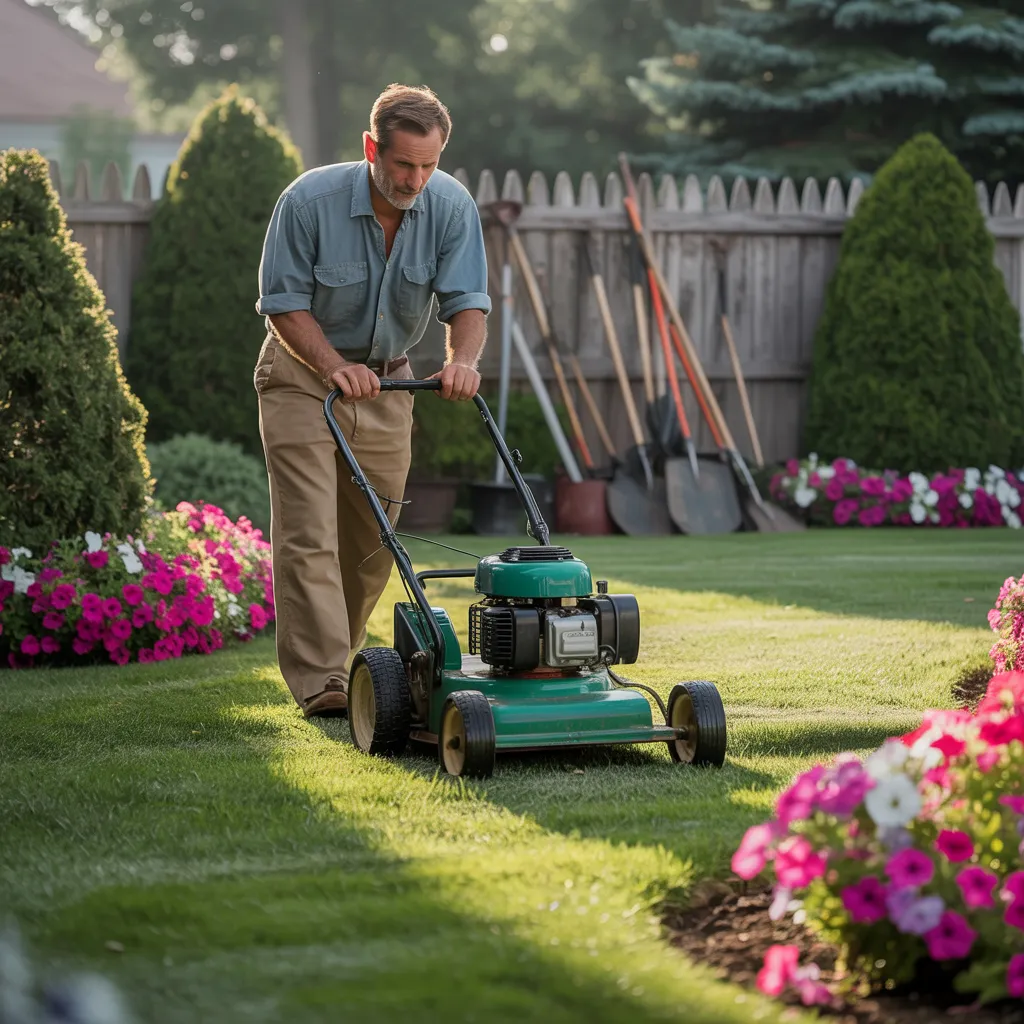
Why Consistent Mowing Is Important for Grass Health
Consistent mowing plays a significant role in keeping a lawn healthy. By mowing grass to an optimal height, mowing encourages a thicker and more durable turf. This practice not only stops weeds from establishing themselves but also facilitates better air circulation and sunlight penetration, which are essential for grass health. Furthermore, consistent mowing promotes lateral growth, permitting grass plants to grow outward and fill in sparse patches.
Additionally, consistent mowing practices help to manage insects and pathogens, as longer grass can harbor harmful pests and disease-causing organisms. By trimming the grass to a proper height, property owners can reduce these threats. Furthermore, consistent mowing enhances the visual appeal of the lawn, improving the general appearance of the yard. Consequently, creating a regular mowing regimen is vital for making sure that the lawn remains lush, vibrant, and thriving throughout the growing season.
The Impact of Mowing on Grass Growth and Thickness
Mowing shapes grass growth and density by influencing how it develops after each cut. Regular mowing encourages grasses to grow denser and thicker, as it promotes horizontal spreading. When the grass is trimmed, it prompts the development of new shoots from the base, leading to a lush, green lawn. Moreover, keeping an optimal mowing height is crucial; trimming too close to the ground can strain the grass, while trimming to the proper height encourages strong growth and limits weed intrusion.
In addition, maintaining consistent mowing intervals ensures that nutrients are effectively distributed, preventing the grass from going into shock. This habit aids in preserving a balanced growth pattern, permitting sunlight to filter through the lawn more thoroughly. Thus, a well-mowed lawn becomes more resilient and visually appealing, adding to its total health and vitality. Routine mowing ultimately holds an important role in nurturing a healthy and vibrant green space.
How Mowing Contributes to Pest Control and Disease Prevention
Mowing is a key factor in maintaining lawn health by impacting pest control and disease prevention. The height at which grass is cut can influence its resilience against infestations and infections, while regular cutting intervals help prevent overgrowth that attracts pests. Correct mowing techniques not only encourage a healthy lawn but also act as a defense against possible threats.
The Importance of Mowing Height
The height at which grass is cut can markedly influence lawn health, influencing both disease prevention and pest control. Adhering to an optimal cutting height guarantees that grass retains sufficient leaf surface area for the process of photosynthesis, fostering strong and healthy growth. Longer grass is able to shade the soil, minimizing evaporation and establishing a less hospitable environment for pests. Additionally, proper height allows roots to grow deeper, improving drought tolerance and general vitality. On the other hand, mowing grass too low can put stress on the plants, making them more susceptible to diseases and pests. Moreover, closely cut grass tends to uncover the soil, encouraging weeds that vie for essential nutrients. Consequently, knowing and complying with proper mowing height guidelines is crucial for maintaining a healthy and resilient lawn.
Regular Cutting Intervals
Keeping consistent mowing schedules is a key factor in the health of your lawn, particularly in managing pests and reducing disease risk. Consistent mowing removes excess grass height, minimizing the living space for insects such as ticks and fleas, which proliferate in lengthy grass. Additionally, shorter grass promotes better air circulation and sunlight penetration, producing a setting that inhibits the spread of fungal diseases. Routine mowing further promotes a compact grass coverage, making it harder for weeds to establish and compete for resources. This forward-thinking method not only boosts the lawn's robustness but also reduces reliance on chemical interventions. In the end, following correct mowing schedules cultivates a more vigorous lawn that is less susceptible to pests and diseases, providing sustained wellness and curb appeal.
Finding the Right Mowing Height for Your Grass
What is the best way to find the ideal grass height for their grass? Determining the appropriate height is essential for keeping a thriving lawn. Different grass types have specific height preferences; for instance, Kentucky bluegrass is ideally maintained at 2.5 to 3.5 inches, while Bermuda grass should be maintained at 1 to 2 inches. Sticking to these standards encourages strong root development and guards against lawn diseases and pests.
Additionally, the seasonal changes influences mowing height. During the warmer season, leaving grass slightly taller can protect the soil, reducing moisture loss. Conversely, in winter months, a lower mowing height can help prevent disease.
Routinely calibrating the mower's cutting height in line with these elements promotes ideal growth. At the end of the day, understanding the particular requirements of the lawn variety and climate factors will lead to a vibrant, thriving lawn that prospers across all seasons.
Why Choose a Professional Mowing Service?
Engaging a professional lawn mowing service brings professional lawn care knowledge that can enhance the overall health of a yard. Additionally, it offers significant time savings for homeowners who may not have the needed expertise or time to maintain their lawns effectively. This mix of knowledge and time-saving ability makes professional lawn services a beneficial investment for a lush, well-kept lawn.
Expertise In Lawn Care
Although many homeowners might view lawn mowing as a straightforward chore, the knowledge offered by expert lawn mowing professionals can make a significant difference in lawn health and appearance. Skilled mowing specialists maintain a deep understanding of turf species, growth seasons, and proper cutting levels. Such expertise enables them to tailor mowing techniques specifically to the lawn's needs, fostering robust development while lowering the chances of lawn disease. Furthermore, professional mowing experts employ premium equipment designed to produce exact and consistent cuts, resulting in a consistent and attractive lawn appearance. Their ability to recognize and address issues such as weeds or pests during regular lawn maintenance can prevent larger problems down the line, maintaining a healthy and thriving outdoor space.
Time-Saving Convenience
For busy homeowners balancing demanding schedules, a professional mowing service can make a significant difference. By entrusting lawn care to experts, homeowners reclaim precious time to devote to family, work, or personal pursuits. Bringing in professionals ensures the work is done thoroughly and reliably, eliminating the hassle of equipment maintenance and storage. Furthermore, these services typically offer flexible scheduling to suit the homeowner's requirements. This removes the challenge of working lawn care into an already crowded weekend schedule. At the end of the day, a professional mowing service not only elevates the lawn's aesthetic but also offers peace of mind, allowing homeowners to enjoy their green spaces without the burden of upkeep.
How Frequently Should You Mow Your Lawn?
How frequently should one mow their lawn to maintain its health and appearance? An optimal mowing routine depends on various considerations, including the type of grass, its growth rate, and prevailing weather patterns. Generally, lawns should be mowed every one to two weeks during the growing season, which typically spans from spring to early fall.
In the warmer season, particularly after rain events or during periods of high growth, weekly lawn cutting may be needed to avoid the grass becoming overgrown. Conversely, during periods of cooler weather or drought, mowing can be reduced to every two weeks or even less frequently.
Maintaining a consistent mowing height is essential; the majority of grass types flourish when trimmed to between 2.5 and 4 inches. Routine mowing not only boosts the lawn's aesthetic quality but also advances healthy growth by discouraging weeds and stimulating stronger root development. As a result, following a customized mowing routine significantly contributes to the overall health of your lawn.
Strategies for Preserving a Healthy Lawn Between Cuts
After establishing a regular mowing schedule, maintaining a lush lawn between mowings requires attention to several key practices. First, proper watering is essential; grass generally requires approximately one inch of water each week, whether from rain or irrigation systems. Morning watering reduces the risk of evaporation and fungal issues.
Furthermore, consistent weeding is essential. Weeds draw away essential nutrients and water, so eliminating them quickly encourages vigorous grass growth. Moreover, feeding the lawn with a balanced fertilizer several times a year can strengthen its vibrancy.
Finally, aeration plays a vital role, especially in areas with frequent foot traffic. Performing lawn aeration allows air, water, and nutrients to penetrate the soil more effectively. By following these techniques, homeowners are able to cultivate a robust and flourishing lawn that endures between mowing sessions, ensuring a lush landscape throughout the growing season.
Common Questions and Answers
What Equipment Is Best for Mowing My Lawn Effectively?
When it comes to efficient lawn mowing, a well-maintained rotary mower is ideal for most residential lawns. In addition, reel mowers deliver exceptional precision for more confined areas, while riding mowers ensure productivity across expansive areas, maintaining a reliably polished and tidy finish.
Can Over-Mowing Be Harmful to My Grass?
Mowing too frequently can certainly harm grass by eliminating too much foliage, which reduces the plant's ability to photosynthesize. This added pressure may cause weaker roots and heightened sensitivity to environmental stressors, pests, and diseases, ultimately compromising lawn health.
How Does Weather Affect Mowing Schedules?
Weather significantly impacts lawn mowing schedules; rainy days can delay cuts, while dry conditions may necessitate more frequent mowing. Shifts in seasons impact how quickly grass grows, necessitating schedule modifications to preserve optimal lawn condition and aesthetics.
What Are the Best Ways to Handle Grass Clippings?
Grass clippings can remain on the lawn as a natural mulch layer, replenishing the soil with essential nutrients. As another option, they may be composted or set aside for yard waste collection, according to local requirements and personal choice.
Should You Mow Wet or Dry Grass?
Cutting dry grass is typically the better choice, as damp grass is prone to clumping and producing irregular cuts. Additionally, mowing wet grass can cause soil compaction and make the lawn more vulnerable to diseases, which can ultimately damage the overall health of the lawn.
Comments on “everything you need to know about Spokane Valley top Lawn Mowing Service”